
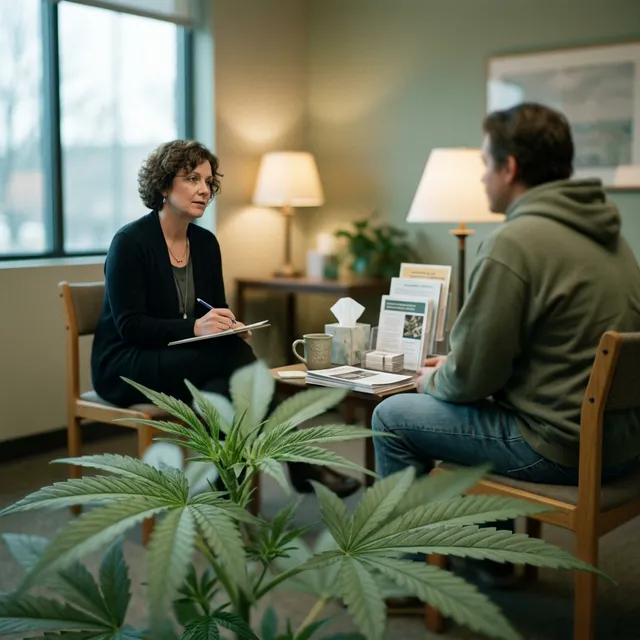
Marijuana Dependency
About 10% of marijuana users develop cannabis use disorder. Modern marijuana is far more potent than decades ago, with THC concentrations averaging 15% to 25% in flower and over 80% in concentrates. Dependency is real. Treatment works. This page gives you the facts.
What Is Cannabis Use Disorder?
Cannabis use disorder (CUD) is a diagnosable condition in the DSM-5 characterized by continued marijuana use despite clinically significant impairment or distress. It is classified as mild, moderate, or severe based on the number of criteria met.
Approximately 16.3 million Americans met criteria for cannabis use disorder in 2022 (NSDUH). The rate is higher among daily users and those who started before age 18. THC potency has increased dramatically since the 1990s, contributing to higher rates of dependence.
Risk Factors
- Starting use before age 18 (17% develop CUD)
- Daily or near-daily use patterns
- Using high-potency products (concentrates, edibles)
- Family history of substance use disorders
- Co-occurring anxiety, depression, or trauma
Diagnostic Criteria
- Using more marijuana or for longer than intended
- Failed attempts to cut down or stop
- Spending excessive time obtaining or using cannabis
- Cravings or strong urges to use
- Continued use despite social or health problems
Biological Impact of Cannabis
THC binds to cannabinoid receptors (CB1) throughout the brain, activating the endocannabinoid system. Chronic use downregulates these receptors, altering mood regulation, memory, motivation, and sleep architecture.
Endocannabinoid System
THC overrides your brain's natural cannabinoid signaling. With chronic use, CB1 receptor density decreases. Your brain produces less anandamide (a natural mood-regulating compound). This drives tolerance and withdrawal symptoms when you stop.
Memory and Learning
THC impairs the hippocampus, the brain region responsible for forming new memories. Chronic use during adolescence can cause lasting IQ reduction and academic impairment. Adults who stop using show measurable memory recovery over weeks to months.
Motivation and Reward
Chronic THC exposure blunts dopamine release in the striatum. This contributes to amotivational symptoms: reduced drive, diminished interest in non-drug activities, and difficulty initiating tasks. These effects are reversible with sustained abstinence.
Sleep Architecture
Cannabis suppresses REM sleep, the phase responsible for emotional processing and memory consolidation. When chronic users stop, REM rebounds intensely. This causes vivid, often disturbing dreams and fragmented sleep for 2 to 4 weeks during withdrawal.
Health Consequences
While marijuana is less acutely dangerous than opioids or alcohol, chronic heavy use causes measurable harm to multiple body systems. Health risks increase with potency, frequency, and duration of use.
Cannabinoid hyperemesis syndrome (CHS) causes severe cyclic vomiting in chronic heavy users. Emergency room visits for CHS have increased significantly in states with legal marijuana. The only effective treatment is permanent cessation of cannabis use.
Warning Signs
Marijuana dependency often develops gradually. Because it is increasingly normalized and legal, many people do not recognize when use has become problematic.
Use Patterns
- Using daily or multiple times per day
- Needing significantly more for the same effect
- Using first thing in the morning
- Choosing higher-potency products over time
- Spending substantial money on cannabis
Lifestyle Impact
- Declining performance at work or school
- Abandoning hobbies and social activities
- Relationship conflicts caused by use
- Using marijuana as primary coping strategy
- Preferring to use alone over socializing
Emotional and Physical
- Irritability or anxiety when unable to use
- Difficulty sleeping without cannabis
- Decreased motivation and productivity
- Memory problems and mental fog
- Continuing despite wanting to stop
Progression and Risks
Cannabis dependency typically develops over months to years of escalating use. The progression is slower than with opioids or stimulants but follows a predictable pattern.
Recreational Use
Use is social and occasional. Effects feel pleasant and manageable. No significant negative consequences. Tolerance begins building with regular exposure. Gradually, use shifts from weekends and social settings to weeknights and alone.
Habitual Use
Daily use becomes routine. Cannabis becomes the default response to stress, boredom, or difficulty sleeping. You notice you need more to feel the same effect. Attempts to cut back feel harder than expected. You start organizing your schedule around use.
Dependency
Use feels necessary rather than optional. Withdrawal symptoms appear when you stop. Motivation, memory, and emotional regulation are noticeably impaired. Relationships and work performance decline. Despite wanting to quit, you find it difficult or impossible without support.
THC concentrations in marijuana have tripled since the 1990s. Concentrates (wax, shatter, dabs) can exceed 80% THC. Higher potency accelerates tolerance, dependence, and risk of psychotic symptoms. Today's marijuana products are pharmacologically different from marijuana used decades ago.
Recovery Statistics
Behavioral treatments for cannabis use disorder produce measurable improvements. Recovery success is supported by these findings from federal research and clinical trials.
CB1 receptor density begins recovering within 2 days of abstinence and shows significant normalization within 4 weeks (D'Souza et al., 2016). Cognitive function, motivation, and sleep quality improve progressively during sustained abstinence.
Treatment Options
Behavioral therapies are the primary treatment for cannabis use disorder. No FDA-approved medication exists specifically for CUD, but effective therapeutic approaches are well-established.
Cognitive Behavioral Therapy
Best EvidenceIdentifies and changes thought patterns and behaviors that drive cannabis use. Teaches coping strategies for triggers, cravings, and stress. Effective in both individual and group settings.
- Identifies trigger situations and automatic thoughts
- Develops alternative coping strategies
- Builds relapse prevention skills
- Typically 12 to 16 sessions
Motivational Enhancement
METStrengthens internal motivation to change. Particularly effective for people who are ambivalent about quitting. Uses a non-confrontational approach to resolve mixed feelings about cannabis use.
- Brief intervention (2 to 4 sessions)
- Explores personal values and goals
- Resolves ambivalence about change
- Often combined with CBT for best results
Outpatient Programs
IOPStructured outpatient treatment for moderate to severe CUD. Provides accountability, group support, and skills training while maintaining daily life responsibilities.
- Group and individual therapy sessions
- Drug screening and progress monitoring
- Dual diagnosis treatment available
- Flexible scheduling for work and school
Practical Action Steps
If marijuana use is causing problems in your life, these steps move you toward taking control.
Take an Honest Assessment
Track your use for one week. Note when, how much, and why you use. Compare that pattern to your intentions. The gap between what you plan and what you actually do reveals the severity of the problem.
Remove Cannabis from Your Home
Accessibility is the strongest predictor of use. Discard your supply and paraphernalia. If you live with others who use, establish clear boundaries about use in shared spaces.
Prepare for Withdrawal
Expect irritability, sleep disruption, and cravings for 1 to 2 weeks. Stock up on healthy food. Set a consistent sleep schedule. Exercise daily. These basics reduce withdrawal intensity.
Find a Therapist
A therapist specializing in substance use can provide CBT, motivational enhancement, or structured support. Use findtreatment.gov or call 1-800-662-4357 to locate providers.
Build New Routines
Replace cannabis-associated habits with alternatives. If you smoke after work, exercise instead. If you use before bed, develop a sleep hygiene routine. New habits fill the void that cannabis leaves behind.
Frequently Asked Questions
Can you really get addicted to marijuana?
Yes. The DSM-5 recognizes cannabis use disorder as a diagnosable condition. Approximately 10% of people who use marijuana develop dependence. For those who start before age 18, the rate rises to about 17%. Addiction is characterized by inability to stop despite wanting to, withdrawal symptoms, increasing tolerance, and continued use despite negative consequences.
What are the signs that marijuana use has become a problem?
Key signs include needing more to feel the same effect, using more often or longer than planned, failed attempts to cut back, spending a lot of time getting or using marijuana, giving up activities you used to enjoy, continuing despite relationship or work problems, and using to cope with stress or negative emotions rather than for recreation.
Is marijuana withdrawal real?
Yes. Cannabis withdrawal syndrome is recognized in the DSM-5. Symptoms include irritability, anxiety, sleep difficulty, decreased appetite, restlessness, depression, and physical discomfort (headaches, sweating, chills). Symptoms typically start within 1 to 3 days of stopping, peak around day 4 to 7, and can last 1 to 2 weeks. Heavy daily users experience the most pronounced withdrawal.
How long does marijuana withdrawal last?
Most physical withdrawal symptoms resolve within 1 to 2 weeks. Sleep disturbances and vivid dreams can persist for 2 to 4 weeks. Cravings and irritability may come and go for several weeks. The timeline depends on how much and how long you used. Daily heavy users typically experience longer and more intense withdrawal than occasional users.
Does marijuana cause anxiety or make it worse?
It can do both. Low doses may temporarily reduce anxiety, but regular use often increases baseline anxiety over time. THC activates the amygdala, the brain's fear center. Chronic use can cause cannabis-induced anxiety disorder that persists beyond the acute high. Many people who use marijuana for anxiety find their anxiety worse overall when they try to stop.
What treatment options exist for marijuana dependency?
There are no FDA-approved medications specifically for cannabis use disorder, but behavioral therapies are effective. Cognitive behavioral therapy (CBT), motivational enhancement therapy (MET), and contingency management all produce positive outcomes. Outpatient treatment is usually sufficient. Severe cases may benefit from intensive outpatient or residential programs.
Is it safe to use marijuana 'just once' after quitting?
For people with cannabis use disorder, 'just once' frequently leads back to regular use. The addictive pattern is already established in the brain's reward system. A single use can reactivate cravings and habitual triggers, making it much harder to maintain abstinence afterward. Most recovery programs recommend complete abstinence.
When should I seek professional help for marijuana use?
Seek help if you cannot stop on your own after trying, if marijuana is interfering with work, school, or relationships, if you use it to manage emotions or mental health symptoms, or if withdrawal symptoms are making it difficult to quit. A substance abuse counselor or therapist specializing in addiction can provide structured support.
Can marijuana really be addictive if it is legal where I live?
Legal status does not affect the drug's pharmacology. THC activates the brain's reward system regardless of whether it is legal. Alcohol and nicotine are legal and both are highly addictive. The fact that marijuana is legal in many states has increased access and normalized daily use, which increases population-level rates of cannabis use disorder.
Why can't I sleep without weed?
Cannabis suppresses REM sleep with chronic use. When you stop, your brain rebounds with vivid dreams, fragmented sleep, and difficulty falling asleep. This rebound phase usually peaks around days 3-7 and improves within 2-4 weeks. Sleep hygiene practices like fixed bedtimes, no screens before bed, and regular exercise can speed up the adjustment.
Am I just self-medicating, or is it dependency?
These often overlap. Using cannabis to manage anxiety, depression, or trauma symptoms can mask underlying conditions that need direct treatment. If your mental health worsens each time you try to stop, that combination of dependence and untreated symptoms needs professional assessment. A clinician can help separate the two.
How do I stop when everyone around me smokes?
Environmental change is one of the strongest predictors of recovery. Set boundaries with close contacts, avoid smoking situations in early recovery, and actively build sober social routines. If your entire social life centers on use, expanding your circle is not optional, it is a core part of recovery.
What are the early warning signs that use has crossed a line?
Increasing frequency, needing more for the same effect, choosing cannabis over former interests, and using alone to manage mood are common early indicators. If stopping or cutting back feels harder than expected, that is worth taking seriously. A clinical screening takes a few minutes and can give you a clear baseline.
Is anxiety after quitting normal?
Yes. Rebound anxiety is a common withdrawal symptom that can last several weeks. Your brain's stress response system recalibrates once cannabis is removed. Structured coping tools like breathing exercises, physical activity, and therapy reduce the intensity. Persistent or severe anxiety should be evaluated by a professional.
This page is for informational purposes only. It does not replace professional medical advice, diagnosis, or treatment. Consult a qualified healthcare provider for personal guidance.