
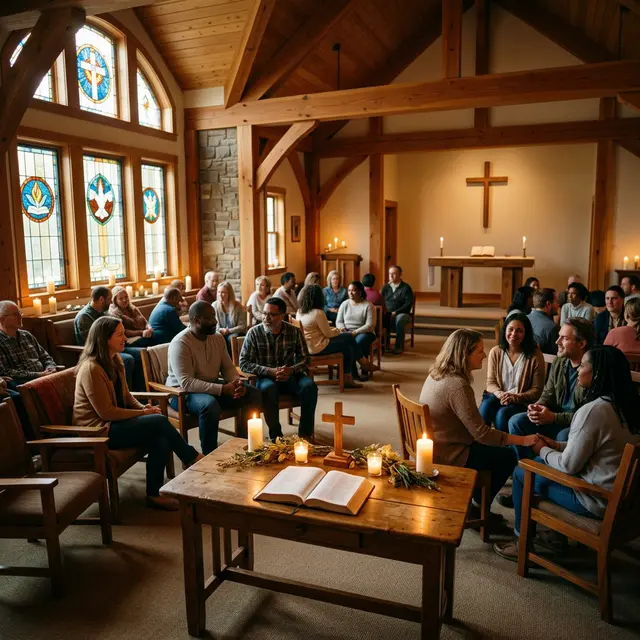
Faith-Based Rehab
Faith-based rehabilitation combines spiritual practice with addiction treatment. For many people, spiritual community, purpose, and accountability provide powerful motivation for recovery. When integrated with evidence-based clinical care, faith-based programs can produce strong outcomes. This page gives you the facts.
What Is Faith-Based Rehab?
Faith-based rehabilitation programs integrate spiritual beliefs, practices, and community into the framework for addiction recovery. These programs range from fully licensed clinical facilities with a spiritual dimension to community-based programs that rely primarily on faith, fellowship, and peer support.
The key question is not whether faith helps recovery - for many people it clearly does. The question is whether the program also provides the clinical care needed for your level of severity. The strongest faith-based programs combine both.
Spiritual Components
- Prayer, meditation, and devotional practice
- Scripture study and spiritual mentorship
- Chapel services and faith community
- Pastoral counseling and spiritual direction
- Purpose-driven recovery framework
Clinical Components (Look For These)
- Licensed therapists and counselors
- Evidence-based therapy (CBT, DBT, MI)
- Medical care and detox capability
- MAT support when clinically indicated
- Individualized treatment and aftercare plans
Types of Faith-Based Programs
Licensed Clinical + Faith-Based
Fully licensed, accredited facilities that integrate faith into comprehensive clinical programs. These offer therapy, medical care, MAT, and clinical treatment alongside spiritual practice. This is the strongest model for moderate-to-severe substance use disorders.
Long-Term Residential (e.g., Teen Challenge)
Extended residential programs (6-18 months) relying heavily on spiritual community, structure, and faith-based curriculum. May have limited licensed clinical staff. Best for people who want deep spiritual immersion and long-term structure.
Church-Based Recovery Groups
Programs like Celebrate Recovery operate within church communities as ongoing support groups. They use 12-step principles with Christian foundations. Excellent for community and aftercare, but not a substitute for formal treatment for active, complex addiction.
Faith-Informed Outpatient
Licensed outpatient programs that incorporate faith principles into their therapeutic approach. These maintain full clinical standards while integrating prayer, spiritual exploration, and faith-based recovery concepts into individual and group therapy.
How to Assess a Faith-Based Program
🟢 Signs of Quality
- Licensed, accredited facility
- Licensed clinical staff for therapy
- Supports MAT when clinically appropriate
- Individualized treatment plans
- Clear aftercare and discharge planning
🔴 Warning Signs
- Rejects all medication or clinical therapy
- Uses shame, guilt, or fear as primary motivators
- No licensed clinical staff on site
- Pressures religious conversion
- Cannot describe emergency protocols
Questions to Ask
- Are you licensed and accredited?
- What percentage of time is clinical vs. spiritual?
- Do you support MAT medications?
- Is participation in religious activity required?
- What are your staff qualifications?
Faith can be a powerful recovery resource, but it should never be the only one for someone with medical or psychiatric needs. The best programs honor both the spiritual and clinical dimensions of healing. Rejecting clinical care for ideological reasons puts lives at risk.
Why Faith Community Helps Recovery
Belonging and Identity
Faith communities provide a ready-made support network that offers belonging without judgment. Many people in recovery find that spiritual community replaces the social connections lost during active addiction with healthier, recovery-supportive relationships.
Purpose and Meaning
Spiritual frameworks give recovery deeper meaning - beyond "not using" to living with purpose. For many, faith provides the "why" of recovery that sustains motivation during difficult periods. Purpose-driven recovery is associated with better long-term outcomes.
Accountability and Mentorship
Faith communities offer built-in accountability through mentors, sponsors, pastors, and small groups. These relationships extend far beyond treatment and provide ongoing check-ins, encouragement, and honest feedback throughout the recovery journey.
Research on Faith and Recovery
Choosing the Right Program
Clinical + Faith
RecommendedBest for moderate-to-severe addiction with medical or psychiatric needs.
- Full clinical treatment plus spiritual care
- Licensed, accredited facility
- MAT support available
- Insurance billing possible
Long-Term Residential
StructuredBest for people wanting extended spiritual immersion and structured community living.
- 6-18 month programs
- Deep community integration
- Often low-cost or free
- May have limited clinical services
Recovery Groups
OngoingBest as aftercare and ongoing community support, not primary treatment.
- Church-based, accessible
- Ongoing peer support
- Usually free
- Complement formal treatment
Practical Action Steps
Clarify Your Needs
Determine whether you need medically supervised care (detox, MAT, psychiatric care) or a community-based support program. Clinical severity should guide your starting point.
Research Programs Carefully
Ask about licensure, accreditation, staff credentials, clinical services, and MAT policies. A strong faith program will be transparent about both its spiritual and clinical offerings.
Check Faith Compatibility
Ensure the program's spiritual approach aligns with your beliefs or comfort level. Ask whether participation in religious activities is required or optional and how different faith backgrounds are accommodated.
Connect With Your Community
Whether or not you enter a formal program, connect with recovery-supportive faith communities near you. Celebrate Recovery, church support groups, and pastoral counseling are often available immediately and at no cost.
Frequently Asked Questions
What is faith-based rehab?
Faith-based rehab integrates spiritual practices - prayer, scripture study, pastoral counseling - into the treatment framework for addiction recovery. Programs vary widely in how much clinical care they include alongside the spiritual foundation. Some are fully licensed clinical programs with a faith dimension; others rely primarily on faith community and peer support.
Do I need to be religious to attend a faith-based program?
It depends on the program. Some are explicitly Christian, while others welcome all faiths or people who are spiritually curious. Ask specifically about religious expectations before enrolling. Programs should be transparent about whether participation in religious activities is required or optional.
Is faith-based treatment effective?
When integrated with evidence-based clinical care, faith-based programs can produce strong outcomes, partly because spiritual community and purpose provide motivation and accountability. However, spiritual support alone - without therapy, medical care, and relapse prevention - is insufficient for moderate-to-severe substance use disorders.
Can faith-based rehab include clinical treatment like therapy and MAT?
Yes, and the best ones do. Integrated programs combine licensed therapy, medication management when indicated, evidence-based approaches, and faith-based support. Be cautious of programs that reject MAT or clinical therapies on ideological grounds - this can be dangerous for people with opioid use disorder.
What if my faith is different from the program's?
Some programs accommodate multiple faith traditions while others are denomination-specific. Ask about this clearly during intake. Programs should respect religious boundaries and not pressure conversion. If a program's faith approach feels uncomfortable, it may not be the right fit regardless of clinical quality.
What does a typical day look like in faith-based rehab?
Days typically combine spiritual activities (devotionals, prayer, chapel, Bible study) with clinical components (group therapy, individual counseling, psycho-education). Schedule ratios vary - ask about the balance between clinical and spiritual programming. The best programs blend both seamlessly.
Does insurance cover faith-based rehab?
Licensed faith-based programs that provide clinical services can often bill insurance. Some faith-based programs operate on donations and do not charge fees. Insurance coverage depends on the specific clinical services provided, program licensure, and your individual plan. Verify benefits in advance.
Will I be judged if I relapse or question my faith during treatment?
Quality faith-based programs approach relapse with grace and clinical adjustment, not shame. Similarly, faith questions are a normal part of recovery. If a program uses judgment, shame, or spiritual guilt as motivators, that is a red flag. Recovery requires safety, not fear.
Can family be involved in faith-based rehab?
Many faith-based programs emphasize family involvement through family therapy sessions, family weekends, faith community engagement, and post-discharge planning. Family healing is often a central theme in faith-based approaches. Ask what specific family services are available.
How do I choose a good faith-based program?
Look for programs that combine licensed clinical care with faith-based support. Assess accreditation, staff qualifications, treatment planning, outcome data, and aftercare quality. The faith component should enhance, not replace, evidence-based treatment. Ask whether MAT is supported if needed.
What is the role of community in faith-based recovery?
Faith communities provide ongoing peer support, accountability, belonging, and purpose - all protective against relapse. Church groups, faith-based recovery meetings (Celebrate Recovery, etc.), and mentorship relationships extend support well beyond formal treatment episodes.
Are 12-step programs the same as faith-based rehab?
No. 12-step programs (AA, NA) are peer support groups that reference a 'Higher Power' but are not formal treatment programs and are not denomination-specific. Faith-based rehab is a structured treatment program with religious foundations. Many people participate in both, and they complement each other.
What about programs like Teen Challenge or Celebrate Recovery?
Teen Challenge is a long-term residential faith-based program primarily relying on spiritual community rather than licensed clinical care. Celebrate Recovery is a church-based recovery group using 12-step principles with Christian foundations. Both can be valuable parts of recovery but may not replace clinical treatment for complex cases.
Can I bring my own faith practices into treatment?
Most programs accommodate personal faith practices as long as they don't conflict with community rules. Discuss your specific needs during intake - prayer schedules, dietary requirements, meditation practices, and spiritual texts should all be addressed openly.
This page is for informational purposes only. It does not replace professional medical advice, diagnosis, or treatment. Consult a qualified healthcare provider for personal guidance.