
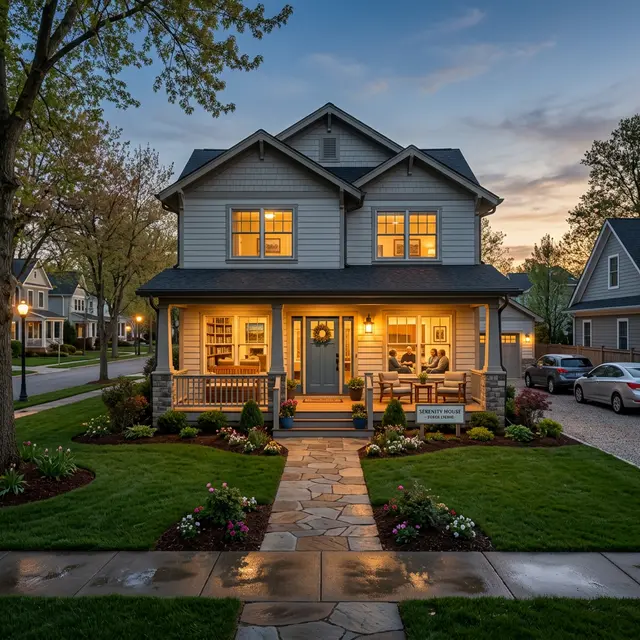
Sober Living Homes
Sober living homes provide structured, substance-free housing for people in early recovery. They bridge the gap between institutional treatment and independent living, offering accountability, community, and real-world practice of recovery skills. This page gives you the facts.
What Are Sober Living Homes?
Sober living homes (also called recovery residences) are group residences that provide a structured, substance-free environment for people in recovery from addiction. They are not treatment programs - they are supportive housing that complements ongoing treatment, employment, and recovery activities.
The value of sober living is transitional support. After the controlled environment of inpatient treatment, returning directly to an unsupported living situation dramatically increases relapse risk. Sober living provides the gradual reintegration that protects early recovery.
What Sober Living Provides
- Substance-free living environment
- Peer accountability and community
- Structure (curfews, meetings, chores)
- Drug testing for accountability
- Safe space to practice recovery skills
What Residents Are Expected to Do
- Maintain sobriety and submit to testing
- Work, attend school, or volunteer
- Attend recovery meetings or therapy
- Follow house rules and contribute to community
- Build an aftercare plan for transition out
Levels of Recovery Housing
The National Alliance for Recovery Residences (NARR) defines four levels of recovery housing, from peer-run homes to clinically managed environments.
NARR certification is the best available quality standard for recovery residences. Certified homes meet standards for safety, ethics, peer support, and operational practices. Always check whether a home is NARR-certified or recognized by your state's certification body.
What to Expect in Sober Living
Structured Routine
Wake-up times, curfews, house meetings, and chore rotations provide the daily structure that supports early recovery. Predictability reduces anxiety and helps establish healthy habits that will carry into independent living.
Peer Community
Living alongside others in recovery provides mutual accountability, shared experience, and social support. Healthy relationships in sober living often become lifelong recovery connections. Community meals, activities, and meetings build social skills.
Employment & Education
Most homes require residents to work, attend school, or volunteer. Building financial stability and purposeful daily activity are core recovery goals. Some homes offer job placement assistance, financial literacy workshops, and resume help.
Accountability
Regular drug testing, check-ins with house managers, attendance verification at meetings/work, and peer feedback create layers of accountability. This external structure supports internal motivation while recovery strengthens.
How to Evaluate a Sober Living Home
🟢 Quality Indicators
- NARR or state-certified
- Regular, randomized drug testing
- Trained, experienced house manager
- Clear, written house rules
- Recovery meeting attendance required
🔴 Red Flags
- No drug testing or enforcement
- Overcrowded or unsafe conditions
- No house rules or inconsistent enforcement
- Bans MAT medications without clinical basis
- Financial exploitation or hidden fees
Questions to Ask
- Are you NARR-certified or state-licensed?
- What is your MAT medication policy?
- What happens when someone relapses?
- How often is drug testing conducted?
- Can I visit before committing?
Transitioning to Independent Living
Stabilization Phase (Months 1-3)
Focus on establishing routine, attending recovery activities, securing employment, and adjusting to structured living. This phase builds the foundation for longer-term stability. Allow yourself to settle in before planning your exit.
Growth Phase (Months 3-6)
Deepen recovery skills, build financial stability (savings goal), strengthen recovery relationships, and begin exploring independent housing options. This phase is about building the resources you'll need after departure.
Transition Phase (Months 6+)
Secure independent housing, finalize aftercare plan (ongoing therapy, meetings, sponsor, medication management), build a crisis plan, and gradually reduce reliance on house structure. Leave from a position of strength, not urgency.
Recovery Housing Effectiveness
Cost and Payment Options
Self-Pay
Most CommonMost sober living is paid out-of-pocket through employment income earned while residing there.
- $500-$2,500/month typical range
- Includes room, utilities, and basic amenities
- Some include meals and activities
- Payment plans often available
Scholarships & Aid
AvailableSome homes offer financial assistance, sliding scale fees, or scholarship programs.
- State-funded recovery housing programs
- Nonprofit scholarship opportunities
- Oxford House model (self-funded, low-cost)
- Community donations and grants
Insurance
LimitedInsurance typically does not cover sober living rent, but may cover clinical services provided on-site.
- Level 3-4 homes may bill for clinical services
- Outpatient therapy can be billed separately
- MAT medications covered by insurance
- State Medicaid programs vary widely
Practical Action Steps
Start Planning Before Treatment Ends
If you're in inpatient rehab, start researching sober living homes before discharge. Your treatment team can help with referrals. Seamless transitions from treatment to sober living dramatically reduce relapse risk.
Visit Before Committing
Tour the home, meet current residents and staff, review house rules in writing, and ask about MAT policies, drug testing, and relapse response. Your gut feeling during a visit is important - you'll be living there.
Check NARR Certification
Search narronline.org for certified homes in your area. State-level recovery residence organizations may also provide certification directories. Certification is not a guarantee, but it is the strongest available quality indicator.
Plan for Financial Independence
Budget for rent from day one. Secure employment quickly. Start saving for independent housing. Financial planning is a core recovery skill. Most homes expect residents to be financially contributing within the first few weeks.
Call for Help Finding Housing
Dial 1-800-662-4357 (SAMHSA) for assistance finding recovery housing. Your state's substance abuse agency may have additional recovery housing directories and financial assistance programs.
Frequently Asked Questions
What is a sober living home?
A sober living home is a structured, substance-free residence for people in recovery who are not yet ready to return to independent living. Residents follow house rules, participate in recovery activities, and often attend outpatient treatment or work while living in a supportive community environment.
Who should consider sober living?
People transitioning from inpatient rehab, detox, or incarceration; those with unstable or high-trigger home environments; anyone who needs ongoing structure and accountability during early recovery. Sober living bridges the gap between institutional treatment and fully independent life.
What are the typical rules in a sober living home?
Common rules include mandatory sobriety (verified by drug testing), curfews, chore responsibilities, attendance at house meetings, participation in recovery activities (meetings, therapy, employment), and respect for other residents. Violations may result in consequences up to discharge.
How long do people usually stay in sober living?
Stays typically range from 3-12 months or longer. There is no standard duration - length depends on individual stability, employment progress, recovery strength, and readiness for independent living. Longer stays are generally associated with better outcomes.
Can I work or go to school while in sober living?
Yes - most sober living homes expect or require residents to work, attend school, or volunteer. Employment and education are considered essential parts of recovery reintegration. Many homes help with job placement and resume building.
How much does sober living cost?
Costs vary widely - from $500-$2,500+ per month depending on location, amenities, and services included. Some homes accept insurance or offer scholarships. State-funded options exist in many areas. Compare value based on structure, support quality, and safety - not just price.
Can I take MAT medications while living in a sober living home?
Policies vary significantly. Some homes fully support MAT; others restrict or ban certain medications. This is a critical question to ask before enrolling. Medically prescribed MAT should not be a barrier to recovery housing. NARR-certified homes follow non-discrimination policies regarding MAT.
How do I know if a sober living home has a good reputation?
Look for NARR (National Alliance for Recovery Residences) certification or state-level certification. Check reviews, ask for references from alumni, visit in person, and ask about staff qualifications, house rules, drug testing frequency, and what happens when someone relapses.
What happens if someone relapses in a sober living home?
Policies vary. Well-run homes respond with clinical assessment, increased support, and treatment plan adjustment. Some may require temporary step-up to higher care. Immediate discharge without support is a red flag. The best homes treat relapse as a clinical event, not a moral failure.
How do I transition out of sober living?
Transition planning should start early and include financial stability (savings, employment), independent housing secured, ongoing recovery support (therapist, meetings, sponsor), and a relapse prevention plan. Gradual step-down - reducing house structure before full independence - works better than abrupt departure.
What is the difference between a sober living home and a halfway house?
The terms are often used interchangeably, but traditionally halfway houses are government-funded and may be part of re-entry from incarceration, while sober living homes are privately operated and primarily serve people in addiction recovery. Quality and structure vary widely in both categories.
Are sober living homes regulated?
Regulation varies dramatically by state. Some states have licensing, inspection, and certification requirements. Others have minimal oversight. NARR certification provides a voluntary quality standard. Always verify a home's regulatory status and look for third-party certification.
What should I bring to a sober living home?
Bring personal items (clothing, toiletries, bedding), identification, insurance cards, medication lists, and any required documents. Most homes provide furnished rooms. Ask about prohibited items (certain electronics, vehicles, etc.) before arrival. Leave valuables at home.
Can couples or families live in sober living homes?
Most sober living homes are gender-specific and for individuals only. Some specialized programs accommodate couples or parents with children, but these are less common. Family visitation policies also vary. Ask about family-friendly options if this is a need.
This page is for informational purposes only. It does not replace professional medical advice, diagnosis, or treatment. Consult a qualified healthcare provider for personal guidance.