
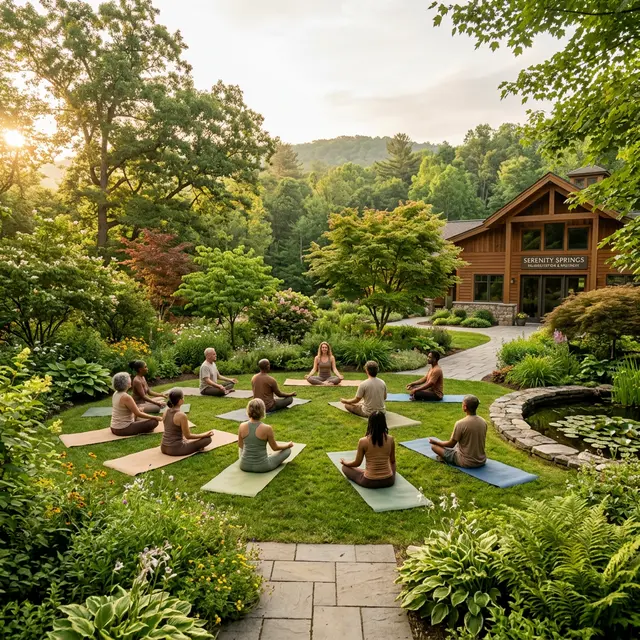
Holistic Rehab
Holistic rehabilitation treats the whole person - body, mind, and spirit - alongside evidence-based addiction treatment. It integrates complementary practices like mindfulness, yoga, nutrition, and creative expression with clinical care. When done well, it improves engagement and long-term recovery. This page gives you the facts.
What Is Holistic Rehab?
Holistic rehabilitation integrates complementary healing practices with evidence-based addiction treatment. Rather than treating only the substance use disorder, holistic programs address physical health, emotional well-being, stress management, nutrition, sleep, and spiritual connection as interconnected dimensions of recovery.
The strongest holistic programs use these practices as additions to - not substitutes for - clinical care. Medical detox, medication management, CBT, DBT, and other proven therapies remain the foundation. Holistic components enhance engagement, reduce stress, and help build sustainable self-care habits.
Core Holistic Modalities
- Mindfulness meditation and breathwork
- Yoga and movement therapy
- Nutritional counseling and meal planning
- Art, music, and expressive therapies
- Nature-based therapy and ecotherapy
Clinical Foundation (Essential)
- Medical detox when needed
- Evidence-based psychotherapy (CBT, DBT, EMDR)
- Medication management (MAT if indicated)
- Psychiatric evaluation for co-occurring conditions
- Discharge planning and ongoing aftercare
Holistic Modalities Explained
Mindfulness & Meditation
Evidence shows mindfulness reduces craving, improves emotional regulation, and lowers relapse rates. Programs like Mindfulness-Based Relapse Prevention (MBRP) teach you to observe cravings without acting on them - a skill called "urge surfing" that weakens the craving-use cycle.
Yoga & Movement
Yoga improves body awareness, stress resilience, and emotional regulation. It can reduce anxiety, improve sleep, and help reconnect with physical sensations after numbing through substance use. Trauma-sensitive yoga is particularly valuable for people with trauma history.
Nutrition & Fitness
Chronic substance use depletes nutrients, disrupts metabolism, and damages gut health. Nutritional rehabilitation restores physical health and stabilizes mood. Regular exercise produces natural endorphins, improves sleep, and reduces depression - all protective against relapse.
Art & Expressive Therapies
Art therapy, music therapy, and creative expression provide non-verbal processing pathways. They are especially helpful for people who struggle to articulate emotions verbally. Expressive therapies can access trauma and emotional content that talk therapy alone may miss.
Evidence for Holistic Approaches
The key distinction is between holistic practices with research support (mindfulness, exercise, nutrition) and those marketed as holistic without evidence (crystal healing, unregulated supplements). Credible programs are transparent about which practices have clinical evidence and which are experiential additions.
Red Flags and Green Flags
🟢 Green Flags
- Evidence-based clinical core with holistic additions
- Licensed, accredited program with qualified staff
- Transparent about what has evidence and what doesn't
- Individualized treatment plans
- Clear discharge and aftercare planning
🔴 Red Flags
- Rejects medication or clinical care for severe cases
- Promises cures through alternative methods alone
- Vague about staff credentials and licensure
- Extremely high cost without clinical justification
- Marketing-heavy with no outcome data
Questions to Ask
- What is the clinical-to-holistic hours ratio?
- Are clinicians licensed and supervised?
- Do you accept and support MAT medications?
- What outcome data can you share?
- What is included vs. extra cost?
Key Statistics
How to Choose a Holistic Program
Clinical Foundation
Non-NegotiableEvery program must have a solid clinical core regardless of holistic offerings.
- Licensed, accredited facility
- Evidence-based psychotherapy
- Psychiatric care and medication management
- Medical detox capability or referral
Holistic Quality
EvaluateAssess the quality and integration of holistic offerings.
- Qualified instructors for each modality
- Integration with clinical treatment plan
- Evidence-supported practices prioritized
- Portable skills you can continue at home
Value Assessment
CompareEnsure you are paying for clinical value, not just wellness marketing.
- Clear pricing with included vs. add-on breakdown
- Insurance verification offered
- Outcome data available
- Aftercare plan quality
Practical Action Steps
Prioritize Clinical Quality
Choose a program based on clinical effectiveness first, holistic offerings second. Accreditation, licensed staff, and evidence-based therapies are non-negotiable foundations.
Ask the Right Questions
Request the clinical-to-holistic hours ratio, staff credentials for each modality, and what happens if you need higher-level medical or psychiatric care during treatment.
Start Practices Now
You don't need to wait for treatment to begin meditation, exercise, or nutritional improvements. Free apps (Insight Timer, Headspace), YouTube yoga videos, and walking routines are accessible immediately.
Call for Guidance
Dial 1-800-662-4357 (SAMHSA) for help finding holistic programs that meet clinical standards. Ask specifically about integrated holistic-clinical programs in your area.
Frequently Asked Questions
What is holistic rehab?
Holistic rehab combines evidence-based addiction treatment with whole-person supports such as mindfulness, nutrition, fitness, yoga, and stress-reduction practices. The aim is to improve physical, emotional, and behavioral recovery together. It should complement clinical treatment, not replace core medical and therapeutic care.
Does holistic rehab replace standard addiction treatment?
No. High-quality holistic programs integrate with evidence-based approaches like therapy, medication support when indicated, and structured relapse-prevention planning. If a program rejects clinical care entirely for high-risk cases, that is a red flag.
What kinds of therapies are usually included?
Common offerings include meditation, breathwork, yoga, exercise, art therapy, music therapy, nutrition coaching, equine therapy, and nature-based activities. Services vary by program and philosophy. Ask whether each modality is optional, who leads it, and how it connects to your clinical goals.
Who benefits most from holistic rehab?
Many people benefit, especially those with stress sensitivity, burnout, sleep disruption, chronic pain, or poor mind-body regulation. Holistic supports can improve engagement and quality of life in recovery. They are most effective when paired with individualized clinical treatment.
Can holistic practices help with cravings and anxiety?
They can help reduce stress load and improve emotional regulation, which can lower craving intensity over time. Techniques like breathwork, mindfulness, and movement are useful in acute high-stress moments. However, they are supportive tools, not standalone protection against relapse for everyone.
Is holistic rehab evidence-based?
Some components have stronger evidence than others. Mindfulness-based interventions, exercise, and sleep-focused programs have meaningful research support. Other modalities like crystal healing or aromatherapy have limited data. Program quality depends on how responsibly these methods are integrated into a broader treatment plan.
Does insurance cover holistic rehab services?
Core clinical services (therapy, medication management, medical care) are more likely to be covered by insurance. Complementary services like yoga, art therapy, or massage may be self-pay extras. Verify benefits in advance and ask for a clear breakdown of what is included versus optional add-ons.
How do I evaluate whether a holistic program is credible?
Look for licensure, accreditation (CARF, Joint Commission), qualified clinical staff, clear treatment plans, and measurable outcomes. Ask about emergency protocols and co-occurring disorder care. If marketing is strong but clinical details are vague, proceed carefully.
Are there risks or downsides to holistic rehab?
The main risk is relying on low-intensity wellness services when higher-level medical or psychiatric care is needed. Another risk is paying premium costs for services that are not matched to clinical severity. A strong intake assessment helps prevent poor treatment matching.
What should happen after holistic rehab ends?
Aftercare should include continued therapy, peer support, relapse planning, and practical routines you can maintain at home. The best programs translate on-site habits into real-life systems. Sustainable recovery depends on continuity, not a single treatment episode.
Can I continue holistic practices at home after treatment?
Yes - and this is one of the main advantages. Meditation, exercise, nutrition habits, yoga, and breathwork can all become permanent parts of your daily routine. Programs that teach portable skills prepare you for independent long-term recovery.
What is the difference between holistic rehab and luxury rehab?
Holistic rehab emphasizes whole-person healing through complementary therapies. Luxury rehab emphasizes amenities (private rooms, gourmet food, spas). There is overlap, but they are not the same thing. Clinical quality matters more than either label. Evaluate programs on treatment effectiveness, not marketing category.
Is yoga or meditation really helpful for addiction?
Research supports mindfulness meditation and yoga as beneficial adjuncts to addiction treatment. They improve emotional regulation, stress resilience, sleep quality, and body awareness. A 2018 meta-analysis in the Journal of Substance Abuse Treatment found mindfulness-based interventions significantly reduced substance use and craving.
How much does holistic rehab cost?
Costs range widely from affordable community-based programs to premium residential centers charging $30,000-$80,000+ per month. The holistic components themselves (yoga, meditation, nutrition) should not significantly increase cost beyond standard treatment. Compare value based on clinical quality, not just the wellness menu.
This page is for informational purposes only. It does not replace professional medical advice, diagnosis, or treatment. Consult a qualified healthcare provider for personal guidance.