
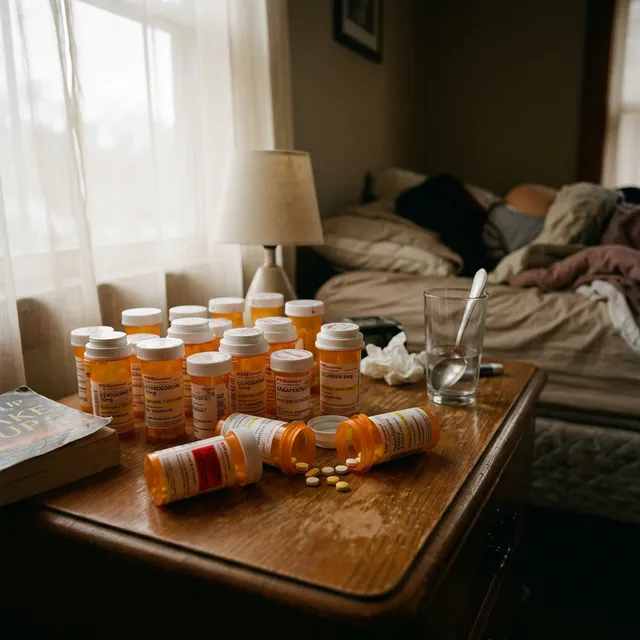
Prescription Drug Abuse
Over 16 million Americans misuse prescription drugs each year. Dependence can develop even with legitimate medical use. Opioid painkillers, benzodiazepines, and stimulants carry the highest risk. Safe treatment and tapering options exist. This page gives you the facts.
What Is Prescription Drug Abuse?
Prescription drug abuse means taking a medication in a way not intended by the prescriber. This includes taking higher doses, using someone else's prescription, or taking a drug to get high rather than to treat a medical condition.
The 2021 National Survey on Drug Use and Health reported 16.3 million Americans aged 12 and older misused prescription drugs in the past year. Prescription opioids remain the most commonly misused class, followed by tranquilizers and stimulants.
Commonly Misused Classes
- Opioid painkillers: oxycodone, hydrocodone, codeine, morphine
- Benzodiazepines: alprazolam (Xanax), diazepam (Valium), lorazepam (Ativan)
- Stimulants: amphetamine (Adderall), methylphenidate (Ritalin)
- Sleep aids: zolpidem (Ambien), eszopiclone (Lunesta)
- Muscle relaxants: carisoprodol (Soma)
How Misuse Begins
- Taking more than the prescribed dose
- Using medication prescribed for someone else
- Taking drugs by a different route (crushing, snorting)
- Continuing use after the condition resolves
- Using medication to cope with stress or emotions
Biological Impact
Each class of prescription drug affects the brain differently, but all produce neuroadaptive changes that drive dependence. Understanding these mechanisms helps explain why stopping without medical support is risky.
Opioid Painkillers
Bind to mu-opioid receptors, suppressing pain and flooding the reward system with dopamine. Your brain reduces its own endorphin production. Without the drug, you feel heightened pain and no pleasure. Physical dependence develops within weeks of daily use.
Benzodiazepines
Enhance GABA activity, the brain's primary inhibitory neurotransmitter. Your brain reduces its own GABA production and increases excitatory signaling to compensate. Abrupt cessation causes dangerous neural over-excitation, including seizures. Withdrawal can be life-threatening.
Stimulant Medications
Increase dopamine and norepinephrine levels. When misused at high doses, they can cause cardiovascular complications, anxiety, and psychosis. Withdrawal produces severe fatigue, depression, and cognitive impairment. The crash drives redosing behavior.
Cross-Tolerance and Polysubstance Risk
Mixing prescription drugs with alcohol or other substances multiplies the risk. Combining opioids with benzodiazepines is the most dangerous combination, responsible for thousands of overdose deaths annually. Alcohol amplifies the sedation of both classes.
Health Consequences
Long-term prescription drug misuse damages multiple organ systems. Risks vary by drug class but all carry significant health consequences when used beyond medical intent.
The FDA has issued black box warnings against prescribing opioids and benzodiazepines together. This combination was involved in 16% of all opioid overdose deaths in 2020. If you take both, discuss a tapering plan with your prescriber immediately.
Warning Signs of Misuse
Prescription drug misuse often hides behind a sense of medical legitimacy. These warning signs help distinguish appropriate use from problematic patterns.
Medication Patterns
- Running out of prescriptions early
- Taking larger doses than prescribed
- Obtaining prescriptions from multiple providers
- Using medications prescribed for others
- Hiding or lying about medication use
Behavioral Changes
- Preoccupation with next dose or refill date
- Mood swings tied to medication availability
- Defensive reactions when questioned about use
- Visiting multiple pharmacies or emergency rooms
- Declining performance at work or school
Physical Indicators
- Drowsiness or sedation beyond normal effects
- Changes in sleep patterns or appetite
- Coordination problems and slurred speech
- Withdrawal symptoms between doses
- Escalating health complaints to justify refills
Progression and Risks
Prescription drug abuse follows a predictable progression from legitimate medical use to compulsive misuse. The timeline varies by drug class and individual factors.
Legitimate Prescription
Medication is prescribed for a genuine medical condition. Relief from pain, anxiety, or attention problems is initially effective. Tolerance begins building with regular use. The prescribed dose gradually feels less effective.
Dose Escalation
You start taking extra doses or requesting early refills. The medication shifts from treating a condition to managing how you feel. You may start using it for unintended purposes: to sleep, manage stress, or feel normal. Dependence develops.
Compulsive Use
Use escalates beyond control. You seek prescriptions from multiple doctors or buy medications from non-medical sources. Some users transition to illicit drugs (heroin, street fentanyl) when prescription access ends. Overdose risk peaks. Medical intervention becomes necessary.
An estimated 80% of heroin users first misused prescription opioids (NIDA). The transition from prescription pills to illicit opioids remains a major pathway into severe addiction and fatal overdose. Early intervention at the prescription stage prevents this escalation.
Recovery Statistics
Treatment for prescription drug addiction achieves measurable outcomes. Medical tapering, medication-assisted treatment, and behavioral therapy all contribute to recovery success.
People who receive formal treatment for prescription drug addiction have significantly better outcomes than those who attempt to stop on their own. Medical supervision during tapering prevents dangerous withdrawal complications.
Treatment Options
Treatment depends on the drug class, severity of dependence, and individual circumstances. Medical tapering is often the first step, followed by ongoing therapy and relapse prevention.
Medical Tapering
First StepA supervised, gradual dose reduction customized to the specific medication and duration of use. The safest way to discontinue opioids, benzodiazepines, and other dependence-forming medications.
- Individualized schedule based on drug and dose
- Symptom monitoring and dose adjustments
- Can be managed by your prescribing doctor
- Prevents dangerous withdrawal complications
Medication-Assisted Treatment
For OpioidsFDA-approved medications for opioid use disorder. Buprenorphine (Suboxone) and naltrexone (Vivitrol) are prescribed in outpatient settings. Reduces cravings, blocks withdrawal, and cuts overdose risk.
- Buprenorphine for stable maintenance
- Naltrexone for relapse prevention
- Combined with behavioral therapy
- Office-based prescribing available
Behavioral Therapy
All ClassesCBT and motivational interviewing address the psychological patterns that drive misuse. Effective for all drug classes. Teaches coping strategies, relapse prevention, and pain management alternatives.
- Cognitive behavioral therapy (CBT)
- Motivational interviewing
- Relapse prevention skills training
- Individual and group formats available
Practical Action Steps
If you are concerned about prescription drug use, these steps help you take control safely and move toward professional support.
Talk to Your Prescriber
Be direct about your concerns. Tell your doctor you think dependence has developed and ask about a taper plan or alternative treatments. This conversation is protected by medical confidentiality.
Do Not Stop Abruptly
Never quit benzodiazepines or opioids cold turkey without medical guidance. Sudden cessation can cause seizures (benzos) or severe withdrawal (opioids). A supervised taper is always safer.
Secure Your Medications
Lock up controlled substances. Dispose of unused medications at DEA take-back locations or pharmacy drop boxes. Unsecured medications in the home are a primary source of prescription drug misuse.
Call the SAMHSA Helpline
Dial 1-800-662-4357. Free, confidential, available 24/7. Staff can connect you to addiction specialists, detox programs, and outpatient treatment in your area.
Verify Your Insurance Coverage
Call your insurance provider and ask about substance use disorder benefits. Get details on covered services, in-network providers, and any preauthorization requirements before starting treatment.
Frequently Asked Questions
How does prescription drug use become addiction?
Addiction develops when the brain adapts to the drug and craves it beyond medical need. Tolerance builds, meaning you need higher doses for the same effect. You start taking more than prescribed, using drugs to cope with stress, or feeling unable to stop. The transition is often gradual, which makes it hard to recognize.
Which prescription drugs are most commonly misused?
Three classes carry the highest addiction risk: opioid painkillers (oxycodone, hydrocodone, codeine), benzodiazepines (Xanax, Valium, Ativan), and stimulants (Adderall, Ritalin, Vyvanse). Opioid painkillers account for the largest share of prescription drug deaths. Sleep medications like zolpidem (Ambien) and muscle relaxants also carry dependence risk.
Can I stop taking prescription drugs on my own?
Abruptly stopping certain medications can be dangerous. Opioid withdrawal is intensely uncomfortable. Benzodiazepine withdrawal can cause seizures and is potentially fatal. Stimulant withdrawal causes severe depression. Always consult your prescribing doctor before reducing or stopping any medication. A supervised taper plan is the safest approach.
How do I talk to my doctor about prescription drug dependence?
Be direct and honest. Tell your doctor you are concerned about dependence. Use specific language: 'I notice I need more to get the same effect' or 'I feel unable to stop taking this medication.' Doctors are trained to help with this. They can create a taper plan, adjust your treatment, or refer you to a specialist. You will not get in trouble for being honest.
What is a taper plan?
A taper plan gradually reduces your medication dose over weeks or months under medical supervision. The goal is to minimize withdrawal symptoms while safely discontinuing the drug. Tapers are customized to the medication type, dose, duration of use, and individual response. Never attempt to taper without medical guidance.
Does insurance cover prescription drug addiction treatment?
Federal law requires most health plans to cover substance use disorder treatment at the same level as other medical conditions. This includes detox, medication-assisted treatment, inpatient rehabilitation, and outpatient counseling. Contact your insurer for specific benefit details and preauthorization requirements.
Can I become addicted even if I take my medication as prescribed?
Yes. Physical dependence can develop even with legitimate medical use, especially with opioids and benzodiazepines taken daily for more than a few weeks. Dependence is not the same as addiction, but it is a risk factor. Regular check-ins with your prescriber help identify early signs of problematic use.
What are the signs that prescribed use has crossed into abuse?
Warning signs include taking more than the prescribed dose, using the medication for effects beyond its medical purpose (to feel calm, high, or energized), running out early, seeking prescriptions from multiple doctors, and continuing use despite negative consequences. If you hide your use from others, that is a significant red flag.
How do I bring up concerns about dependency with my prescriber?
Lead with specifics. Say something like 'I have been taking more than prescribed and I want a plan to address this.' Avoid vague statements. A clear, direct message helps your clinician respond faster. Many prescribers expect this conversation and already have taper or transition plans available.
Will my privacy be protected if I seek treatment?
Federal law (42 CFR Part 2) provides extra privacy protections for SUD treatment records. Your treatment information cannot be shared with employers, schools, or others without your consent except in narrow emergency situations. This applies to all treatment settings.
What is a safe taper, and can I do it myself?
A taper is a medically supervised, gradual dose reduction. Doing it alone risks unpredictable withdrawal symptoms, especially for benzodiazepines. Your prescriber or addiction specialist can build a schedule that minimizes discomfort and adjusts based on how you respond each week.
How can family members help without overstepping?
Focus on supporting the treatment plan, not controlling the person. Help with logistics like transportation, childcare, or appointment reminders. Avoid hiding medications, searching belongings, or making threats. Clear, calm conversations about treatment goals are more effective than surveillance or ultimatums.
Do I actually need rehab, or can I handle this with my doctor?
Many people manage prescription drug recovery through outpatient care with their prescriber or an addiction specialist. Rehab becomes the better option when outpatient efforts have failed, use has escalated significantly, or multiple substances are involved. The right level of care should match your risk, not a fixed model.
How do I safely dispose of unused medications?
The DEA hosts National Prescription Drug Take Back Days twice a year. Many pharmacies and police stations have permanent drop-off boxes. The FDA also provides guidance on which medications can be flushed. Never leave unused controlled substances in your home if dependence is a risk.
Is my insurance likely to cover treatment?
Most plans cover some level of SUD treatment. Coverage specifics for detox, inpatient, outpatient, and medication vary by plan. Call the member services number on your card and ask for a benefits verification for substance use disorder. This gives you clear cost information before starting care.
This page is for informational purposes only. It does not replace professional medical advice, diagnosis, or treatment. Consult a qualified healthcare provider for personal guidance.