
Meth & Cocaine Addiction
Stimulant use disorder affects 1.6 million Americans. Methamphetamine and cocaine hijack the brain's dopamine system, cause cardiovascular damage, and carry serious overdose risk. Evidence-based behavioral treatments produce strong outcomes. This page gives you the facts.
What Is Stimulant Use Disorder?
Stimulant use disorder is a chronic condition defined by compulsive use of methamphetamine, cocaine, or other stimulants despite harmful consequences. The DSM-5 classifies severity as mild, moderate, or severe based on the number of criteria met.
In 2022, approximately 1.6 million Americans had methamphetamine use disorder and 1.4 million had cocaine use disorder (NSDUH). Psychostimulant-involved overdose deaths reached 34,022 in 2022, with methamphetamine driving the majority.
Methamphetamine
- Synthetic stimulant, often smoked or injected
- Effects last 8 to 12 hours per dose
- Causes severe dopamine neurotoxicity
- Higher purity and lower cost than cocaine
- "Meth mouth" dental decay is a hallmark sign
Cocaine / Crack
- Plant-derived stimulant from coca leaves
- Effects last 15 to 30 minutes (shorter high = more redosing)
- Crack cocaine is smoked for faster onset
- Second most common drug in overdose deaths
- High risk of cardiovascular events at any dose
Biological Impact of Stimulants
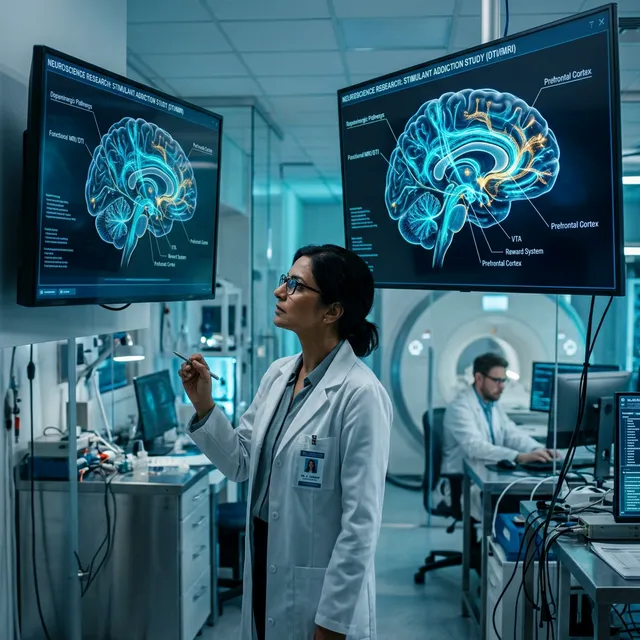
Stimulants force the brain to release massive amounts of dopamine, norepinephrine, and serotonin. This floods the reward circuit, elevates heart rate and blood pressure, and suppresses appetite and sleep. Over time, the brain's dopamine system sustains measurable damage.
Dopamine System Damage
Meth directly destroys dopamine-producing neurons. Cocaine blocks dopamine reuptake, depleting reserves. Both drugs reduce dopamine receptor density by 15% to 20%. This causes anhedonia, the inability to feel pleasure, that drives continued use and makes early recovery difficult.
Cardiovascular System
Stimulants dramatically increase heart rate and blood pressure. Cocaine causes coronary artery spasm and can trigger heart attack at any age. Meth causes cardiomyopathy (weakened heart muscle) and pulmonary hypertension. Cardiac events are the leading medical cause of stimulant-related death.
Mental Health
Heavy stimulant use causes paranoia, anxiety, hallucinations, and psychosis. Meth-induced psychosis can persist for weeks after stopping. Depression during withdrawal can be severe enough to require crisis intervention. Pre-existing mental health conditions worsen significantly.
Metabolic Disruption
Stimulants suppress appetite, disrupt sleep architecture, and elevate stress hormones. Chronic use causes severe malnutrition, muscle wasting, and cortisol dysregulation. Sleep deprivation from multi-day binges compounds cognitive damage and psychosis risk.
Health Consequences
Stimulant abuse damages the heart, brain, lungs, and oral health. Some effects reverse with sustained recovery. Others are permanent. The route of administration determines additional risks.
Cocaine can cause sudden cardiac arrest in otherwise healthy young adults. There is no safe dose of cocaine for the heart. Any use carries cardiovascular risk regardless of fitness level, age, or frequency (American Heart Association).
Behavioral Warning Signs
Stimulant addiction produces distinct behavioral patterns. Binge-crash cycles, paranoia, and dramatic mood swings are hallmark signs. Recognizing these changes enables faster intervention.
Use Patterns
- Multi-day binge episodes without sleep
- Crash periods of prolonged sleep and depression
- Increasing frequency and dose over time
- Switching routes (snorting to smoking to injection)
- Using stimulants to function or work
Behavioral Changes
- Paranoia, suspicion, and accusatory behavior
- Rapid mood swings from euphoria to agitation
- Compulsive repetitive activities (picking, cleaning, organizing)
- Jaw clenching, teeth grinding, or facial twitching
- Secretive behavior and frequent lying
Physical Indicators
- Dramatic weight loss and poor nutrition
- Dilated pupils and rapid eye movement
- Skin sores or picking marks
- Severe dental problems (meth)
- Frequent nosebleeds (cocaine)
Progression and Risks
Stimulant addiction often follows a binge-crash cycle that escalates in intensity and duration. The progression from recreational use to compulsive dependence varies by substance and route.
Experimental and Social Use
Use begins in social settings or to boost energy and productivity. The intense dopamine surge creates a powerful memory imprint. Use seems controllable. Tolerance develops quickly, and doses escalate within weeks.
Binge Patterns
Use transitions from occasional to binge episodes. Multi-day sessions with no sleep become common. The crash after a binge brings severe depression, exhaustion, and intense cravings. Paranoia and irritability develop. Relationships and work suffer.
Compulsive Use and Crisis
Use becomes daily or near-daily. Psychosis, hallucinations, and severe paranoia may appear. Physical deterioration accelerates. Cardiovascular risk is at its peak. Overdose can occur from heart attack, stroke, or hyperthermia. Without treatment, health and social functioning collapse.
Methamphetamine-involved overdose deaths increased by over 30% between 2019 and 2022 (CDC). Fentanyl contamination of the stimulant supply has made cocaine and meth use significantly more lethal. Many stimulant users do not realize their supply contains fentanyl until it is too late.
Recovery and Success Statistics
Behavioral treatments for stimulant use disorder produce significant improvements. Contingency management is the strongest evidence-based intervention. These statistics come from federal data and peer-reviewed clinical trials.
Brain imaging studies show measurable dopamine receptor recovery after 14 months of sustained abstinence from methamphetamine (Volkow et al., 2001). Early treatment engagement predicts better long-term outcomes.
Treatment Options
Behavioral therapies are the primary treatment for stimulant use disorder. Contingency management and cognitive behavioral therapy have the strongest evidence base. Treatment intensity should match severity.
Contingency Management
Best EvidenceProvides tangible incentives for meeting treatment goals like negative drug tests. The most effective behavioral intervention for stimulant use disorder. Produces measurably higher abstinence rates than standard counseling alone.
- Vouchers or prizes for verified abstinence
- Increases treatment retention significantly
- Effective for both meth and cocaine
- Now available through VA and some state programs
Residential Treatment
InpatientStructured 30 to 90 day residential programs. Provides a controlled environment away from triggers during the critical early recovery period. Best for severe addiction, unstable housing, or repeated outpatient failure.
- Individual and group therapy daily
- CBT and relapse prevention training
- Mental health assessment and treatment
- Life skills development and job readiness
Intensive Outpatient
IOP / PHPAttend structured treatment 9 to 20 hours per week while living at home. Allows continued work and family responsibilities. Effective as a primary treatment or step-down from residential care.
- CBT and contingency management protocols
- Regular drug screening and accountability
- Peer support and group therapy
- Dual diagnosis treatment for co-occurring conditions
Practical Action Steps
If you or someone you know is struggling with meth or cocaine, these steps move you toward recovery today.
Call the SAMHSA Helpline
Dial 1-800-662-4357. Free, confidential, available 24/7. Trained staff connect you to treatment programs specializing in stimulant addiction in your area.
Remove Triggers from Your Environment
Delete dealer contacts, remove paraphernalia, and create distance from using friends and locations. Environment change is one of the strongest predictors of early recovery success.
Get a Mental Health Evaluation
Stimulant use often co-occurs with depression, anxiety, ADHD, or trauma. Treating underlying conditions reduces relapse risk. Ask for a dual diagnosis assessment.
Prioritize Sleep and Nutrition
Your brain needs sleep, water, and food to begin recovering. Set a consistent sleep schedule. Eat regular meals even if appetite is low. These basics accelerate neurological healing.
Build a Daily Structure
Idle time is the primary relapse trigger for stimulant addiction. Fill your schedule with treatment appointments, exercise, work, and social support. Structure protects recovery.
Frequently Asked Questions
What is the difference between meth and cocaine?
Both are stimulants, but methamphetamine is synthetic (lab-made) while cocaine comes from the coca plant. Meth lasts 8 to 12 hours per dose compared to cocaine's 15 to 30 minutes. Meth is typically smoked, injected, or snorted. Cocaine is snorted, smoked (crack), or injected. Meth causes more severe neurotoxicity and longer-lasting brain changes.
What does stimulant addiction do to the brain?
Stimulants flood the brain with dopamine at levels 3 to 10 times higher than natural rewards. Over time, dopamine receptor density drops, meaning you feel less pleasure from normal activities. Meth also damages serotonin neurons and causes structural brain changes visible on imaging. Recovery of dopamine function takes months to years of sustained abstinence.
Is there a medication to treat meth or cocaine addiction?
There is no FDA-approved medication specifically for stimulant use disorder as of 2025. However, behavioral therapies like contingency management and CBT produce strong results. Several medications are being studied in clinical trials. Treatment works. The absence of a single pill solution does not mean treatment is ineffective.
What does meth or cocaine withdrawal look like?
Stimulant withdrawal produces a 'crash' with extreme fatigue, depression, increased appetite, vivid dreams, and strong cravings. Unlike opioid or alcohol withdrawal, it is rarely medically dangerous but can be psychologically severe. Depression and anhedonia (inability to feel pleasure) can persist for weeks. Suicidal thoughts require immediate professional help.
Can you overdose on meth or cocaine?
Yes. Stimulant overdose can cause heart attack, stroke, seizure, hyperthermia (dangerously high body temperature), and sudden cardiac death. Cocaine is the second most common drug involved in overdose deaths in the US. Mixing stimulants with opioids (speedballing) is extremely high-risk. Call 911 immediately for chest pain, seizure, or loss of consciousness.
How long does it take the brain to recover from stimulant abuse?
Dopamine receptor recovery begins within weeks of abstinence, but full recovery of the brain's reward system takes 12 to 18 months or longer. Cognitive improvements in attention, memory, and decision-making are measurable within 6 months. Meth causes more lasting damage than cocaine in most studies. Sustained abstinence is the key factor in brain recovery.
What is contingency management and why does it work?
Contingency management provides tangible rewards (vouchers, small cash prizes) for meeting treatment goals like negative drug screens. It is one of the most effective behavioral treatments for stimulant use disorder. Research shows it significantly increases abstinence rates and treatment retention. The method works because it provides immediate positive reinforcement to compete with drug rewards.
Does insurance cover meth and cocaine addiction treatment?
Federal law requires most health insurance plans to cover substance use disorder treatment. This includes detox, inpatient rehab, intensive outpatient programs, and individual therapy. Coverage details vary by plan, network, and state. Contact your insurer for specific benefit verification before starting treatment.
How do I know if stimulant use is becoming addiction?
Warning signs include binge patterns, compulsive urges, repeated failed attempts to stop, and continued use despite serious consequences. People also report paranoia, emotional volatility, and neglect of work or relationships. If use keeps returning after promises to stop, treatment is worth pursuing now.
How do I manage binge urges when they hit?
Use immediate interruption steps: leave the trigger location, contact a support person, hydrate, eat, and move your body for 10-20 minutes. The objective is to break momentum before rationalization takes over. Keep a written emergency plan in your phone with names, numbers, and exact actions.
Is paranoia or anxiety after quitting normal?
It can occur in early recovery, especially after heavy stimulant exposure. Symptoms often improve with abstinence, sleep stabilization, and reduced stress. If paranoia, panic, or psychosis-like symptoms persist or worsen, seek urgent professional evaluation. Do not manage severe symptoms alone.
How long until sleep and focus improve?
Many people see gradual improvement over weeks to months, not overnight. Attention, motivation, and memory can fluctuate while the brain recalibrates. Consistency matters more than perfection. Routine sleep timing, nutrition, and regular treatment contact speed recovery.
I only use when drinking. Is alcohol still a trigger?
Yes. Alcohol lowers inhibition and often reactivates stimulant decision loops quickly. For many people, stimulant recovery is much harder when alcohol remains in the picture. Reducing or eliminating alcohol in early recovery can significantly lower relapse probability.
Is outpatient treatment enough for meth/cocaine recovery?
Outpatient works for many people when attendance is strong and high-risk triggers are managed. Inpatient may be better when safety concerns, unstable housing, or repeated relapse are present. A step-up or step-down approach is common. The right level of care can change as stability changes.
I slipped once after a sober streak. Did I ruin everything?
No. A slip is a warning event, not total failure. The fastest recovery comes from immediate response rather than shame and delay. Reconnect to your supports the same day and review what led to the slip so your prevention plan becomes more specific.
When is stimulant use a medical emergency?
Seek urgent help for chest pain, severe agitation, high fever, hallucinations, confusion, suicidal thoughts, or seizure-like activity. These symptoms can indicate dangerous complications. In an emergency, call 911 immediately.
This page is for informational purposes only. It does not replace professional medical advice, diagnosis, or treatment. Consult a qualified healthcare provider for personal guidance.