
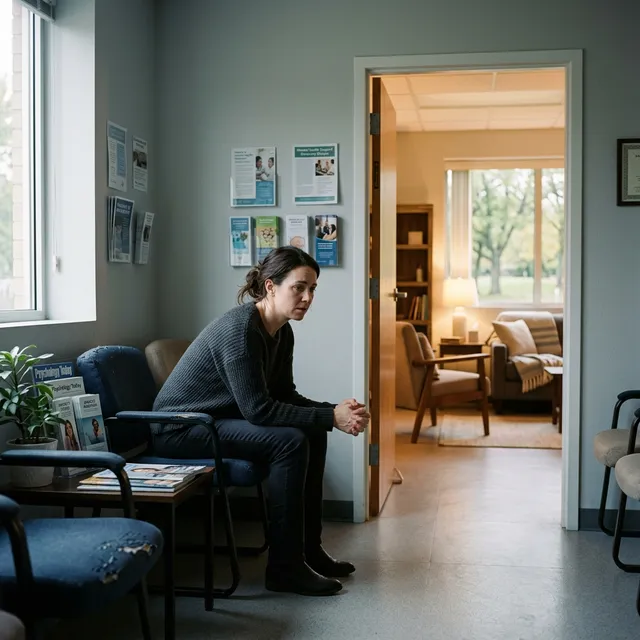
Anxiety & Substance Abuse
Anxiety disorders and substance abuse frequently co-occur - each worsening the other in a reinforcing cycle. People with anxiety are roughly twice as likely to develop addiction. Understanding this connection is essential for effective treatment. This page gives you the facts.
How Anxiety and Substance Abuse Connect
Anxiety disorders - including generalized anxiety, social anxiety, panic disorder, and PTSD - create persistent distress that many people attempt to manage with substances. Alcohol, benzodiazepines, cannabis, and opioids all produce short-term anxiolytic effects, reinforcing their use as coping mechanisms.
However, chronic substance use disrupts the brain's GABA/glutamate balance, sensitizes the stress response system (HPA axis), and worsens baseline anxiety over time. This creates a vicious cycle where the "medicine" becomes the disease.
Anxiety → Substance Use
- Drinking to manage social situations
- Using benzodiazepines beyond prescription
- Cannabis for "calming" that worsens over time
- Opioids to numb panic and emotional pain
- Avoidance behaviors that shrink your world
Substance Use → Anxiety
- Alcohol rebound anxiety (next-day hyperexcitability)
- Stimulant-induced panic attacks
- Withdrawal-driven nervous system dyregulation
- Sleep disruption that amplifies anxiety
- Social and financial consequences creating new stressors
Common Anxiety Disorders in Addiction
Generalized Anxiety Disorder (GAD)
Persistent, excessive worry about multiple areas of life. Often leads to alcohol use for "winding down" in the evening. GAD affects approximately 6.8 million U.S. adults and frequently co-occurs with alcohol use disorder.
Social Anxiety Disorder
Intense fear of social judgment or embarrassment. Alcohol becomes "liquid courage." Social anxiety has among the highest co-occurrence rates with alcohol use disorder - up to 48% in some clinical populations.
Panic Disorder
Recurrent, unexpected panic attacks with intense physical symptoms. Strongly associated with benzodiazepine dependence. People with panic disorder may use substances to prevent or stop attacks, creating rapid dependence cycles.
Health Anxiety / Phobias
Excessive worry about health or specific fears that drive avoidance and substance use as coping. These conditions respond well to exposure-based CBT when combined with substance use treatment.
What Happens in Your Nervous System
Acute Use: Temporary Calm
Substances like alcohol and benzodiazepines increase GABA activity (inhibitory neurotransmitter), producing temporary relaxation. The brain registers this as relief and reinforces the behavior. This is where self-medication begins.
Adaptation: Tolerance Develops
The brain compensates for repeated GABA flooding by reducing its own GABA receptors and increasing excitatory glutamate. More substance is needed for the same calming effect. Baseline anxiety increases between doses.
Dependence: Anxiety Worsens
The nervous system is now excitatory-dominant. Without the substance, anxiety is worse than before use began. Withdrawal itself produces severe anxiety, panic, insomnia, and in dangerous cases, seizures. Medical detox may be required to safely manage withdrawal.
Recovery: Rebalancing Takes Time
With proper medical support, the nervous system gradually rebalances. GABA function restores. Anxiety decreases to pre-use or manageable levels. This process takes weeks to months and is supported by therapy, medication, and lifestyle changes.
Treatment Approaches
Medication
Non-AddictiveSafe, effective options for anxiety in people with addiction history.
- SSRIs (sertraline, escitalopram) - first-line
- SNRIs (venlafaxine, duloxetine)
- Buspirone - non-sedating, no abuse potential
- Hydroxyzine - non-addictive, PRN anxiolytic
Therapy
CoreTherapeutic approaches targeting both anxiety and substance use.
- CBT for anxious thought patterns
- Exposure therapy for avoidance behaviors
- DBT for distress tolerance skills
- Mindfulness-based stress reduction
Lifestyle
ProtectiveDaily habits that reduce baseline anxiety and protect recovery.
- Regular exercise (reduces cortisol, increases GABA)
- Sleep hygiene (consistent schedule, dark room)
- Caffeine reduction or elimination
- Breathing and grounding practice
Key Statistics
Coping Without Substances
Physiological Reset
- 4-7-8 breathing (inhale 4, hold 7, exhale 8)
- Cold water on wrists or face (dive reflex)
- Progressive muscle relaxation
- Walk or change physical environment
- Bilateral tapping (left-right alternating)
Cognitive Tools
- 5-4-3-2-1 grounding (senses technique)
- Challenge catastrophic thinking: "What's the evidence?"
- Name the emotion: "I notice I'm feeling anxious"
- Remind yourself: cravings peak and pass in 20-30 min
- Use your written crisis plan
Connection
- Call a sponsor, therapist, or support person
- Attend a meeting (in-person or virtual)
- Text crisis line (text HOME to 741741)
- Move toward people, not isolation
- Delay substance decisions for 30 minutes
Practical Action Steps
Get Evaluated for Both Conditions
Request screening for both anxiety disorders and substance use disorder. Accurate dual diagnosis ensures the right treatment match. Call 1-800-662-4357 (SAMHSA) for free, confidential assessment and referral.
Ask About Non-Addictive Medications
If anxiety is moderate to severe, ask about SSRIs, SNRIs, or buspirone. These medications effectively treat anxiety without addiction risk. Be honest with your prescriber about substance use history so medication choices are informed.
Build a Coping Toolkit
Learn and practice at least 3 substance-free anxiety management techniques (breathing, grounding, movement). Practice daily when calm so they become automatic during crises. Write them on a card in your wallet or a note in your phone.
Protect Your Sleep
Sleep disruption is the most underrated driver of both anxiety and relapse. Set a consistent bedtime, eliminate screens an hour before bed, keep the room cool and dark, and address insomnia with your treatment team - don't self-medicate it.
Frequently Asked Questions
How are anxiety and substance abuse connected?
Anxiety and substance use reinforce each other in a bidirectional cycle. People use alcohol, benzodiazepines, or other substances to temporarily calm anxiety - but chronic use increases baseline anxiety through neuroadaptation, withdrawal effects, and nervous system dysregulation. NIDA reports that people with anxiety disorders are roughly twice as likely to develop substance use disorders compared to the general population.
Can substances cause anxiety even if they used to help me relax?
Yes. Many substances initially feel calming but later increase anxiety through withdrawal, rebound effects, sleep disruption, and nervous system instability. Alcohol suppresses the CNS acutely but causes rebound hyperexcitability. Stimulants trigger anxiety directly. Even cannabis, which many use for anxiety, can worsen it with chronic use through amygdala sensitization.
Should anxiety or addiction be treated first?
Current evidence supports treating both simultaneously through integrated care. If anxiety is addressed without treating substance use, the substances continue to destabilize the nervous system. If addiction is treated without addressing anxiety, untreated anxiety symptoms become a primary relapse driver. SAMHSA's TIP 42 recommends coordinated dual-diagnosis treatment.
Why does my anxiety spike when I try to quit?
Early abstinence commonly increases anxiety because your brain's GABA and glutamate systems are rebalancing. During chronic substance use, the brain compensates for the substance's calming effects by increasing excitatory activity. When the substance is removed, this hyperexcitability drives intense anxiety, insomnia, and irritability - often peaking in the first 1-2 weeks.
Is it safe to use benzodiazepines for anxiety if I have addiction history?
Benzodiazepines carry significant addiction risk and should be used very cautiously in people with substance use history. Non-addictive alternatives - SSRIs, SNRIs, buspirone, hydroxyzine, and gabapentin - are generally preferred as first-line treatments. If benzodiazepines are clinically necessary, they require close monitoring, clear time limits, and structured protocols. This decision should involve an addiction-informed prescriber.
What therapies help most with anxiety and substance use?
CBT is the gold standard - it targets both anxious thought patterns and substance-related behavior loops simultaneously. Exposure-based therapy can address specific phobias and social anxiety. DBT skills help with distress tolerance and emotional regulation. Mindfulness-based interventions reduce baseline anxiety. The strongest plans combine multiple approaches and include relapse prevention.
What can I do in the moment when anxiety triggers cravings?
Use immediate physiological regulation: slow diaphragmatic breathing (4-7-8 pattern), cold water on wrists or face (activates dive reflex), progressive muscle relaxation, or grounding through the 5-4-3-2-1 senses technique. Change your environment, contact a support person, and delay any substance decision for 20-30 minutes. Strong urges typically peak and decline within that window.
Can medication help both anxiety and addiction recovery?
Yes. SSRIs (sertraline, escitalopram) and SNRIs (venlafaxine) effectively treat anxiety disorders and are non-addictive. Buspirone is a non-sedating anxiolytic with no abuse potential. Some medications like naltrexone (for alcohol) or buprenorphine (for opioids) can reduce substance cravings simultaneously. Medication decisions should be individualized by a dual-diagnosis clinician.
How do I prevent relapse when stress and anxiety are constant?
Relapse prevention works best when stress management is a daily practice, not crisis-only. Build predictable routines: consistent sleep/wake times, regular meals, scheduled exercise, weekly therapy, and daily recovery check-ins. You don't need zero anxiety to stay sober - you need a repeatable, reliable response system for when anxiety rises.
When is anxiety plus substance use an emergency?
Seek urgent help for suicidal thoughts, panic attacks with chest pain, hallucinations, severe confusion, inability to care for basic needs, seizure-like symptoms, or dangerous withdrawal signs. Alcohol and benzodiazepine withdrawal can cause seizures and be life-threatening. In an emergency, call 911 or 988 (Suicide & Crisis Lifeline).
What types of anxiety disorders co-occur with addiction?
Generalized anxiety disorder (GAD), social anxiety disorder, panic disorder, and PTSD all commonly co-occur with substance use disorders. Social anxiety is particularly associated with alcohol use disorder - people drink to manage social situations. Panic disorder is associated with benzodiazepine dependence. Each anxiety subtype requires tailored therapeutic approaches.
Does caffeine make anxiety and recovery worse?
Caffeine is a stimulant that can worsen anxiety symptoms, disrupt sleep, and trigger panic attacks in susceptible individuals. During early recovery, when the nervous system is already hyperexcitable, reducing or eliminating caffeine can meaningfully reduce baseline anxiety. Many treatment programs recommend caffeine moderation as part of recovery self-care.
Can exercise really help with anxiety in recovery?
Yes - exercise has robust evidence for reducing anxiety. It decreases cortisol, increases endorphins and GABA, improves sleep quality, and provides healthy dopamine stimulation. For people in recovery, regular exercise also reduces cravings and provides structure. Even moderate activity (30-minute walks) produces measurable anxiety reduction. The effect is both immediate and cumulative.
What is the relationship between sleep and anxiety in recovery?
Sleep and anxiety form a reinforcing cycle: anxiety disrupts sleep, and poor sleep increases anxiety and relapse vulnerability. Sleep deprivation impairs emotion regulation, increases cortisol, and lowers the threshold for panic and craving. Sleep hygiene - consistent schedule, dark cool room, no screens before bed - is a critical but often underrated component of anxiety management in recovery.
This page is for informational purposes only. It does not replace professional medical advice, diagnosis, or treatment. Consult a qualified healthcare provider for personal guidance.